At Arden Early Learning, we believe learning should be both engaging and joyful. One of the earliest concepts young children grasp is colour, and exploring it through play and crafts offers a powerful way to support cognitive, language, and creative development.
Colour recognition forms the foundation for a wide range of future learning—everything from sorting and classifying to understanding patterns and relationships. Through playful activities, children are able to link colour concepts with the world around them, all while expressing themselves artistically.
Begin with hands-on experiences. Finger painting is not only fun but also supports sensory development and fine motor skills. Encourage children to mix primary colours and observe how new colours are formed. This exploration of cause and effect nurtures curiosity and problem-solving.
Nature walks also provide valuable opportunities. Collect leaves, flowers, and stones of various colours, then use them to make a colourful collage or matching game. Discussing natural shades helps children expand their vocabulary and appreciate variation in tone and texture.
Storytime can also be colour-rich. Select books with vibrant illustrations and ask your child to identify colours on each page or predict what colours might appear next. This builds early literacy while reinforcing colour identification in context.
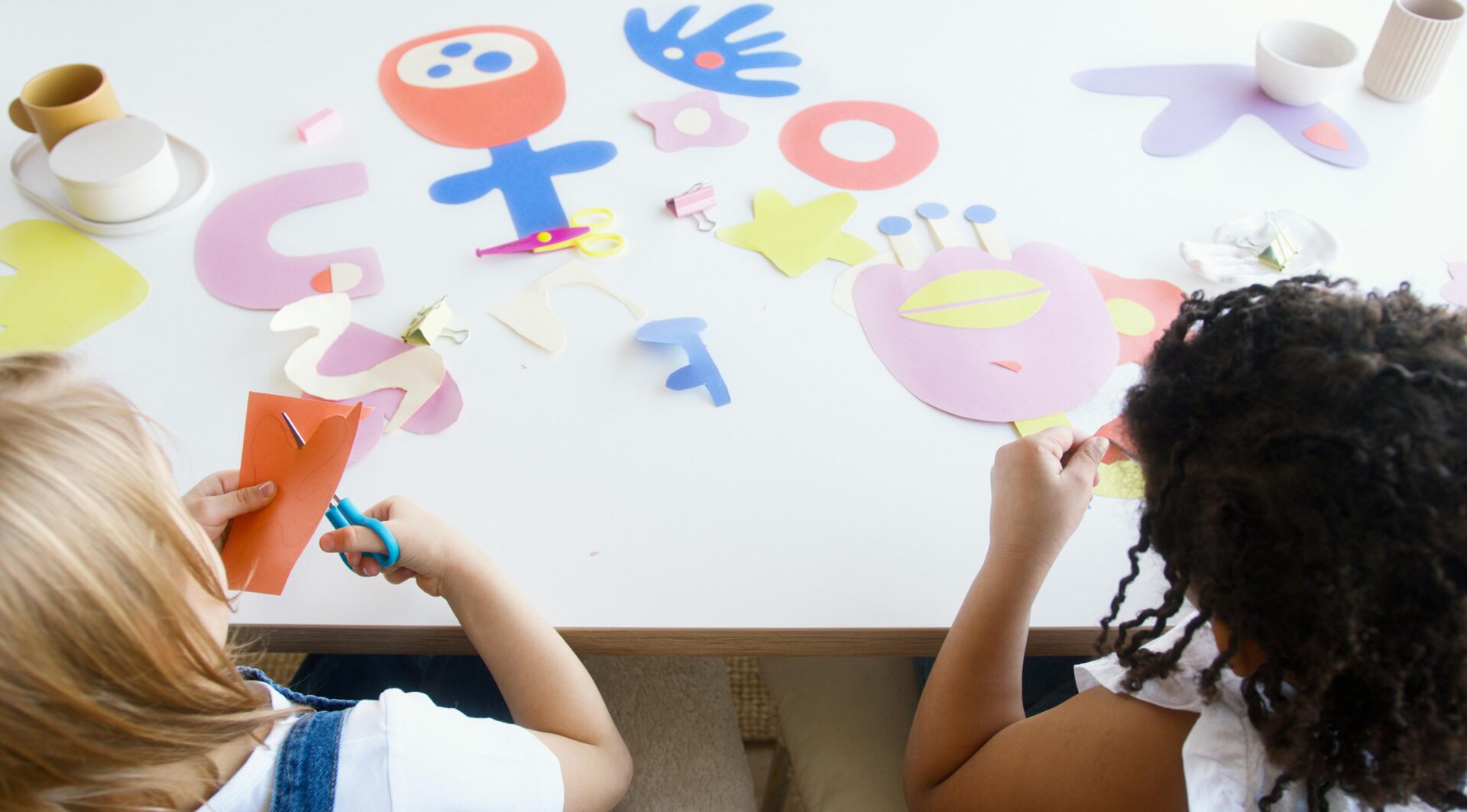
At Arden, we also recommend open-ended crafts like collage-making with recycled paper, fabrics, or stickers. These activities allow children to choose colours, make decisions, and develop personal preferences—important steps in building confidence and independence.
It’s important to remember that colour learning should be guided by the child’s interests. If they love animals, try creating colourful creatures using pipe cleaners and pom-poms. If they enjoy vehicles, paint a rainbow of paper cars and sort them by shade or hue.
Encouraging these explorations in a relaxed, pressure-free environment helps nurture a lifelong love for learning. At Arden, we value the magic of everyday moments—where a paintbrush, a piece of coloured paper, and a curious mind can open a world of discovery.
Through colour-focused play and craft, families can turn simple experiences into rich opportunities for bonding and development. The most important lesson? Learning happens best when it’s filled with joy, wonder, and connection.