Music and Movement: Boosting Your Child’s Coordination at Arden Early Learning
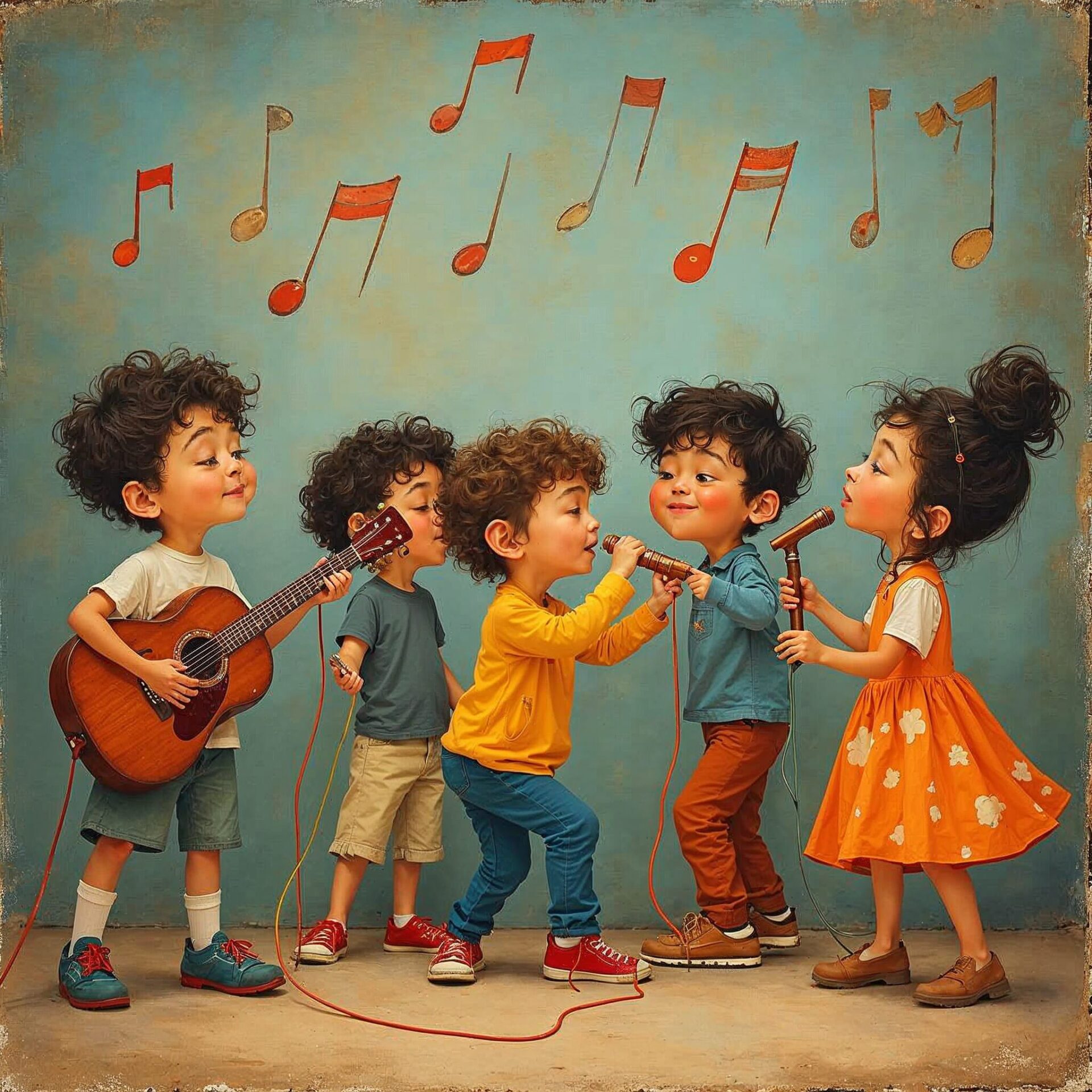
At Arden Early Learning, we believe that a child’s development flourishes when learning is both engaging and enjoyable. Music and movement activities are key in boosting coordination, motor skills, and overall physical development, offering kids an exciting way to grow and learn. These activities merge the joy of music with purposeful movement, fostering a rich environment for early childhood development. By engaging in these activities, children not only have fun but also enhance their gross and fine motor skills, balance, and spatial awareness. Join us as we explore how these early learning activities can support your child’s development and encourage a lifelong appreciation for movement and music. Recent research confirms what early childhood educators have long known: the use of movement in music education addresses the most natural way to express and represent music itself through the body.
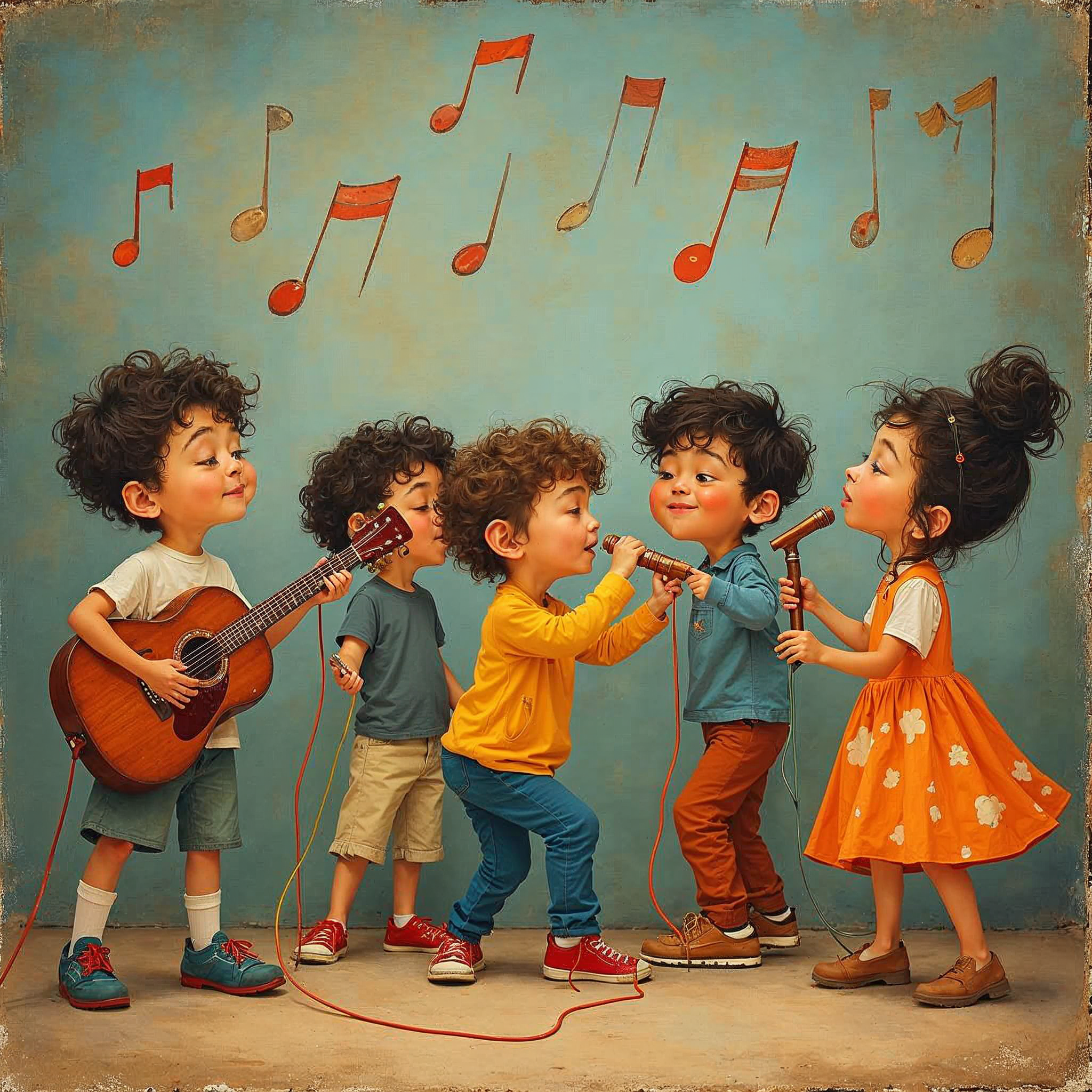
Music and Movement activities play a crucial role in early childhood development. Let’s explore the scientific foundations that make these activities so beneficial for young learners.
Building Neural Pathways
When children engage in music and movement activities, they’re not just having fun – they’re actively building important neural connections in their brains.
The combination of rhythm, melody, and physical movement stimulates multiple areas of the brain simultaneously. This multi-sensory engagement helps create new neural pathways and strengthens existing ones.
As children repeat movements to music, their brains form stronger connections between the auditory, visual, and motor cortices. This process, known as neuroplasticity, is particularly active in young children, making early music and movement experiences especially valuable.
Over time, these strengthened neural pathways contribute to improved coordination, better spatial awareness, and enhanced cognitive abilities. Research from NIU’s Child Development Centre supports the idea that early music experiences can have lasting effects on brain development.
Sensory and Motor Integration
Music and movement activities provide a unique opportunity for children to integrate sensory inputs with motor outputs, a crucial skill for overall development.
When children move to music, they’re processing auditory information (the rhythm and melody) and translating it into physical actions. This process helps develop the connection between their sensory systems and motor skills.
Activities like clapping to a beat or dancing to a song require children to coordinate their movements with what they hear. This sensory-motor integration is fundamental for developing skills like hand-eye coordination and balance.
As children practice these activities, they become more adept at processing multiple sensory inputs simultaneously and responding with appropriate motor actions. This skill is transferable to many other areas of life, from sports to academic tasks.
Key Coordination Benefits
Music and movement activities offer a wide range of benefits for children’s coordination. Let’s delve into the physical, cognitive, and social advantages these activities provide.
Physical Development Insights
Music and movement activities significantly contribute to children’s physical development, particularly in the areas of gross and fine motor skills.
Gross motor skills, which involve large muscle movements, are enhanced through activities like dancing, jumping, and marching to music. These movements help children develop better balance, coordination, and spatial awareness.
Fine motor skills, involving smaller, more precise movements, are improved through activities like finger plays or using small instruments. These help children develop hand-eye coordination and dexterity, which are crucial for tasks like writing and drawing.
Regular participation in music and movement activities can lead to improved overall body awareness and control. Children become more confident in their physical abilities, which can positively impact their engagement in other physical activities and sports.
Cognitive and Social Growth
Beyond physical benefits, music and movement activities also foster cognitive and social development in young children.
Cognitively, these activities help improve memory and pattern recognition. Learning song lyrics, remembering dance steps, and following musical patterns all contribute to enhanced cognitive function and problem-solving skills.
Music and movement also support language development. Singing songs exposes children to new vocabulary and helps with pronunciation and language rhythm.
Socially, group music and movement activities encourage cooperation, turn-taking, and social interaction. Children learn to work together, follow instructions, and express themselves in a group setting.
These activities also boost self-confidence and creativity, as children learn to express themselves through music and movement, fostering emotional intelligence and self-awareness.
Fun Coordination-Boosting Activities
Rhythm and Beat Games
Rhythm and beat games are excellent for developing timing, coordination, and listening skills in young children.
Start with simple clapping exercises. Have children clap along to the beat of a song or repeat a clapping pattern you demonstrate.
Introduce body percussion. Encourage children to use different parts of their bodies to create rhythms, such as patting their knees, stomping their feet, or tapping their shoulders.
Use simple instruments like tambourines, maracas, or rhythm sticks. These allow children to physically feel the beat while also developing fine motor skills.
Remember to start with slow, simple rhythms and gradually increase complexity as children’s skills improve. Repetition is key in these activities, helping to reinforce the neural pathways we discussed earlier.
Dance and Movement Challenges
Dance and movement challenges offer a fun way to improve gross motor skills, balance, and spatial awareness.
Freeze dance is a popular activity that helps children practice control and body awareness. Play music and have children dance freely, then suddenly pause the music. Children must freeze in place until the music resumes.
Animal movement games encourage creativity and full-body coordination. Ask children to move like different animals – hop like a frog, stomp like an elephant, or slither like a snake.
Create simple dance routines that children can follow. Start with basic steps and gradually add more complex movements. This helps improve memory, sequencing skills, and coordination.
Remember to keep these activities light-hearted and fun. The goal is to encourage movement and enjoyment, not to achieve perfection in dance technique.