If you’ve ever watched a toddler discover a shell for the first time — the way they turn it over in their little hands, hold it to their ear, and look up at you with pure wonder — you already understand everything there is to know about early childhood learning.
That sense of wonder is exactly what we celebrate every single day in our Toddler Room at Arden Early Learning Airlie Beach. And in June, with Queensland’s spectacular dry season in full swing, our toddler program in the Whitsundays comes alive in the most beautiful ways.
The weather is mild, the skies are crisp and blue, and the natural world around us is brimming with inspiration. Here are five Whitsundays-inspired toddler activities we love in June — and why each one matters far more than it might first appear.
1. Ocean Sensory Trays
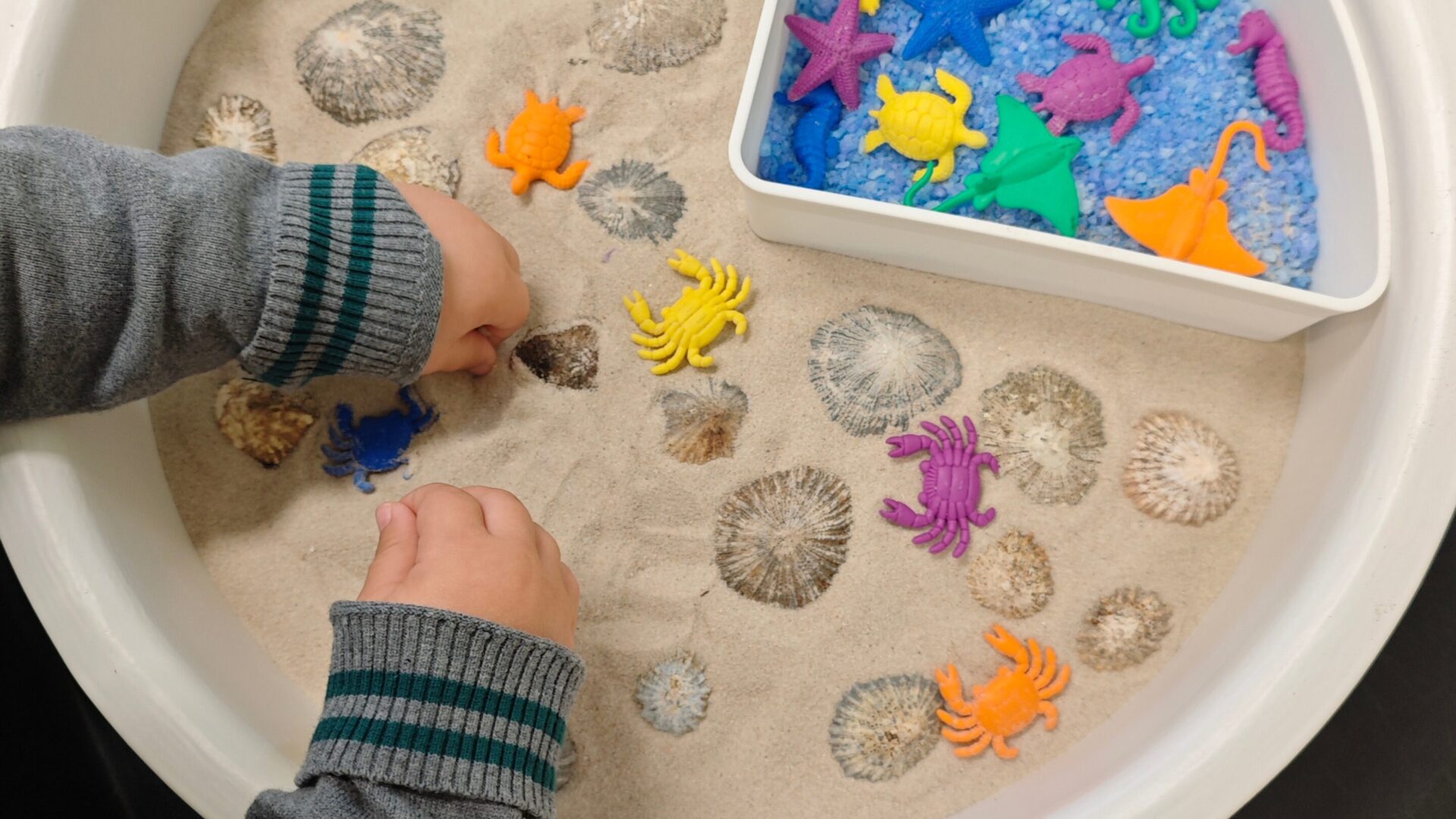
What it looks like: A shallow tray filled with blue-tinted water, sand, shells, smooth pebbles, and small sea-life figurines — a little piece of the Whitsundays brought indoors.
Why it matters: Sensory play is one of the most powerful tools in early childhood education. According to Nature Play QLD (a program of Outdoors Queensland), infants and toddlers “develop healthy, resilient bodies from time spent exploring hands-on and whole-body with natural materials. They are stimulated cognitively and physically by the sights and sounds in outdoor spaces.”
For our toddlers aged 2–3 years, exploring a sensory tray isn’t just splashy, joyful fun — it’s building the neural pathways that underpin focus, problem-solving, and language development. When a child scoops water, pours sand, and describes what they feel, they are actively constructing understanding of their world.
At home: Set up a plastic tub with water and any natural materials from your yard or a beach walk. You don’t need anything fancy — nature provides everything.
2. Ocean Colour Mixing and Watercolour Painting
What it looks like: Children are invited to mix blues, greens, aquas, and whites — the colours of the Coral Sea just down the road — using watercolour paints, coloured water, or dyed cornflour.
Why it matters: Creative arts activities are deeply aligned with the Early Years Learning Framework (EYLF), supporting children’s identity, self-expression, and communication. When a toddler mixes two colours and gasps at the result, that’s a moment of genuine scientific discovery — and a memory that sticks.
Fine motor skills also get a beautiful workout here. Gripping a brush, controlling pressure, sweeping colour across paper — these are the same hand muscles that will one day hold a pencil. The learning is invisible to the naked eye, but it is absolutely happening.
At home: Old muffin tins make perfect palettes. Let your child lead — the process always matters more than the product.
3. Nature Walks and Texture Collecting
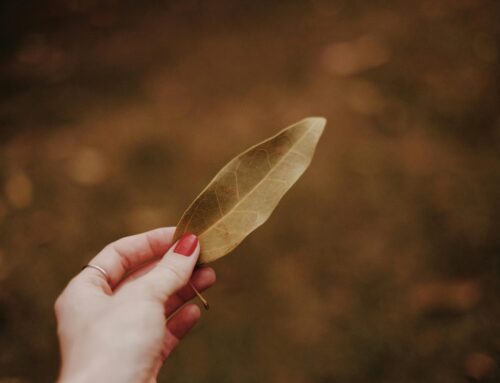
What it looks like: A slow, unhurried walk around Arden’s beautiful outdoor yard (or the neighbourhood), where children collect leaves, bark, flowers, and stones to feel, sort, and talk about.
Why it matters: Early Childhood Education Queensland recognises that “nature play and exploring outside is critical to children’s development — inspiring curiosity, developing motor skills, safely undertaking risky play and enjoying a healthy and balanced learning environment.” June in Airlie Beach is arguably the most perfect month to take toddlers outside — 24°C days, low humidity, and the Whitsundays landscape at its breathtaking best.
Nature walks also build vocabulary at a remarkable pace. Research shows children ask more questions outdoors than indoors, giving educators and parents rich opportunities to introduce new words, concepts, and conversations.
At home: Bring a paper bag on your next walk and let your child collect their favourite treasures. Back home, sort them by colour, size, or texture — an effortless maths lesson in disguise.
4. Music, Movement, and Ocean Soundscapes
What it looks like: Action songs, dancing, and listening to calming ocean sounds — the rhythm of waves, the call of seabirds, the gentle wash of the Coral Sea.
Why it matters: Music and movement are not extras in a toddler’s day — they are essentials. Gross motor development (the big body movements like running, jumping, and spinning) is one of the primary developmental tasks of the 2–3 year age group. Our toddler educators weave music and movement intentionally through every day, knowing that a child who has moved their body is a child who is ready to learn, rest, and connect.
There is also a profound emotional regulation benefit. The predictability of rhythm — a familiar song, a repeated movement — gives toddlers a sense of safety and belonging, which is the foundation of all learning.
At home: Put on any music and dance together. Seriously — that’s it. One of the most developmentally rich things you can do.
5. Storytime with Sea Creature Puppets
What it looks like: Simple hand or sock puppets shaped like sea turtles, fish, starfish, and octopuses used to tell and retell stories — inspired by the incredible marine life of the Great Barrier Reef, right on our doorstep.
Why it matters: Language development in the 2–3 year age group is extraordinary. Toddlers are learning new words at a rate of around 50 per month, and rich, repeated storytelling experiences are one of the most evidence-backed ways to accelerate this. Puppets add a layer of imaginative play that makes language truly come alive — toddlers are not just listening, they are participating, predicting, and creating.
This activity also connects beautifully to place. Growing up alongside the Whitsundays and the Great Barrier Reef gives Airlie Beach children a unique relationship with one of the world’s most extraordinary natural environments — and the stories we tell in early childhood shape the stewards of that environment for the future.
At home: Old socks + permanent markers = instant puppets. Ask your child to name the character and make up the adventure together.
Why June Is the Perfect Month for Toddler Learning at Arden Airlie Beach
Queensland’s dry season, which settles over the Whitsundays each June, creates ideal conditions for outdoor early learning. Mild temperatures, low humidity, and gorgeous natural light mean our toddlers spend more time in our beautiful outdoor yard — climbing, digging, discovering, and doing exactly what their developing bodies and brains need most.
At Arden Early Learning Airlie Beach, our toddler program for children aged 2–3 years is designed around the individual child. Our highly qualified early childhood educators implement a monthly program carefully tailored to each child’s unique developmental stage — gently supporting and extending the life skills they’re already building, every single day.
Our room ratio of 1:4 means every child receives meaningful, responsive attention. We follow your child’s cues, celebrate their curiosity, and create an environment where discovering the world is the greatest adventure of all.
Ready to See It for Yourself?
We’d love to welcome your family to Arden Early Learning Airlie Beach. Book a centre tour and come and see our toddler room, meet our educators, and experience what early learning in the Whitsundays really looks like.
📞 07 5620 5787 📍 7 Tropic Rd, Cannonvale QLD 4802 🌐 Book a tour today →
Sources: Nature Play QLD / Outdoors Queensland (natureplayqld.org.au); Early Childhood Education and Care Queensland — Department of Education (earlychildhood.qld.gov.au); Early Years Learning Framework (EYLF), Australian Government Department of Education.