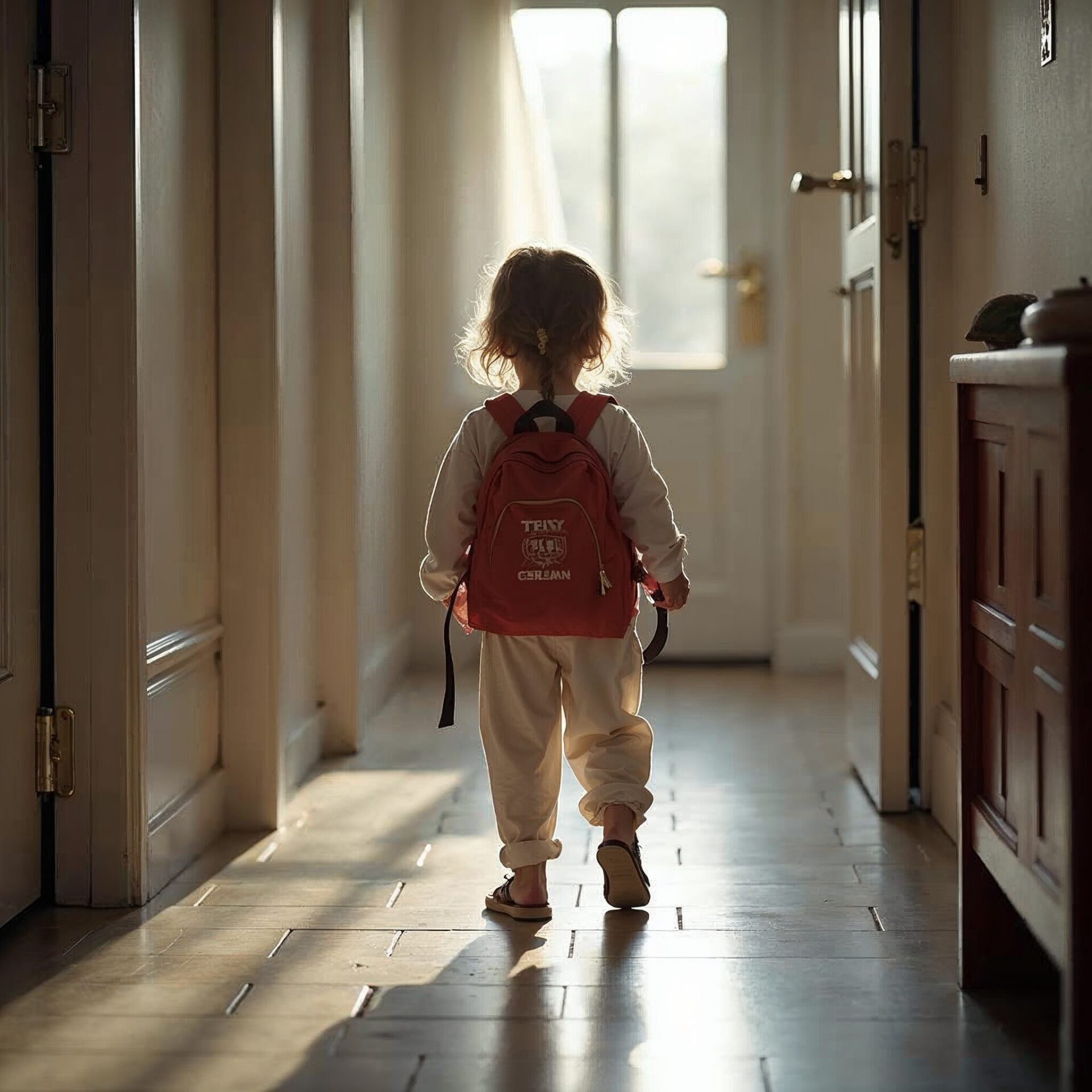
Is Your Little One Ready for School? Five Key Signs to Watch For
That first day of prep can feel like it arrives out of nowhere. One minute you’re dropping your little one off at early childhood education, and the next you’re staring at school uniforms that suddenly look enormous. Knowing if your child is truly ready for school goes beyond recognising letters or numbers; it’s about a blend of independence, social skills, and emotional strength. Here are five key signs to watch for to help you feel confident about their big step. For more resources on early childhood development, visit https://ardenearlylearning.com.au/.
Key Indicators of School Readiness
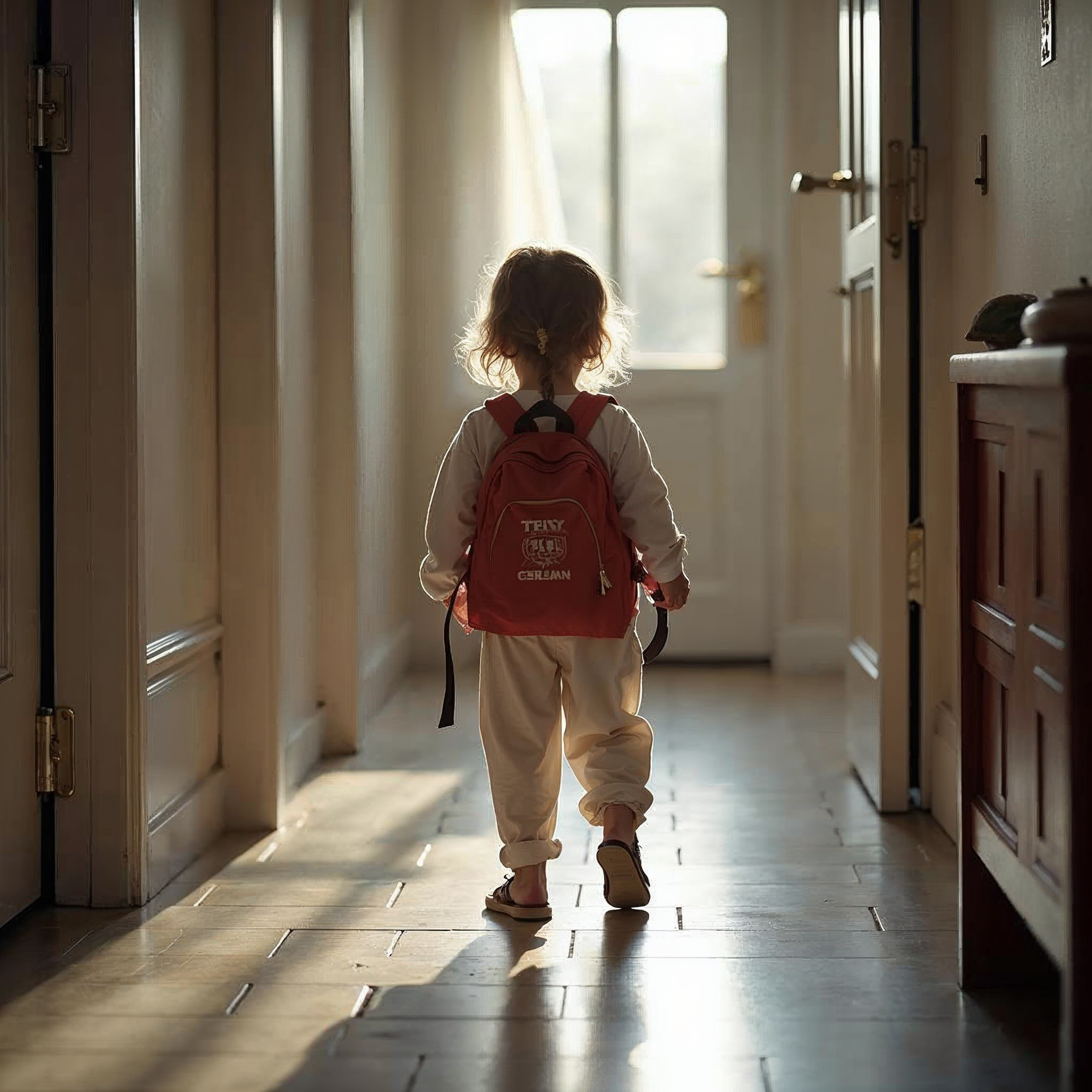
The jump from kindergarten to prep classroom is bigger than many parents expect. Your child needs more than academic skills – they need practical abilities that help them thrive in a busy classroom setting without you there to help.
Self-Help Skills Mastery
Can your child put on their own shoes? Open their lunch containers? Visit the bathroom without help? These basic skills make a huge difference when they start school.
In a classroom with 20+ children, teachers simply can’t help everyone with zippers, food wrappers, and toilet trips. Children who struggle with these tasks often feel stressed and miss out on learning time while waiting for help.
Try this test at home: Ask your child to pack their bag, put on their shoes, and get ready for an outing without your help. Watch (without jumping in) to see how they manage. This gives you a realistic picture of their self-help abilities.
Most school-ready children can handle basic personal care, though they might need reminders. If your child still needs help with most daily tasks, you’ve got some skills to build before that first school bell rings.
Separation Without Drama
The ability to say goodbye without tears is a strong sign your child is emotionally ready for school. This isn’t about being “brave” – it’s about feeling secure enough to function well when you’re not there.
Many children feel nervous about separation, but school-ready kids recover quickly after you leave. They trust they’ll be okay and that you’ll return later. This security lets them focus on learning instead of worrying.
The morning drop-off test tells you a lot. Does your child settle into activities within minutes of arriving at kindergarten? Or do they cling, cry, or seem anxious for long periods? Their current separation patterns often predict how they’ll handle school transitions.
If your child still has big feelings about goodbyes, don’t worry. This skill develops with practice and support. Regular attendance at kindergarten or playgroups gives them chances to build this crucial confidence.
Following Multi-Step Instructions
“Put your book away, grab your hat, and line up at the door.” School is full of instructions like this, often given just once to the whole group.
Children ready for school can listen to a series of 2-3 connected tasks and complete them without constant reminders. This shows they can focus, remember directions, and work independently – all crucial school skills.
Test this at home with simple direction chains: “Please put your toys in the basket, wash your hands, and come to the table.” Watch how your child responds without prompting. Can they handle all three steps? Or do they get stuck after the first task?
This skill matters because classroom teachers can’t repeat instructions for each child throughout the day. Kids who need constant reminders often miss important learning moments while catching up on directions.
Supporting Your Child’s Readiness
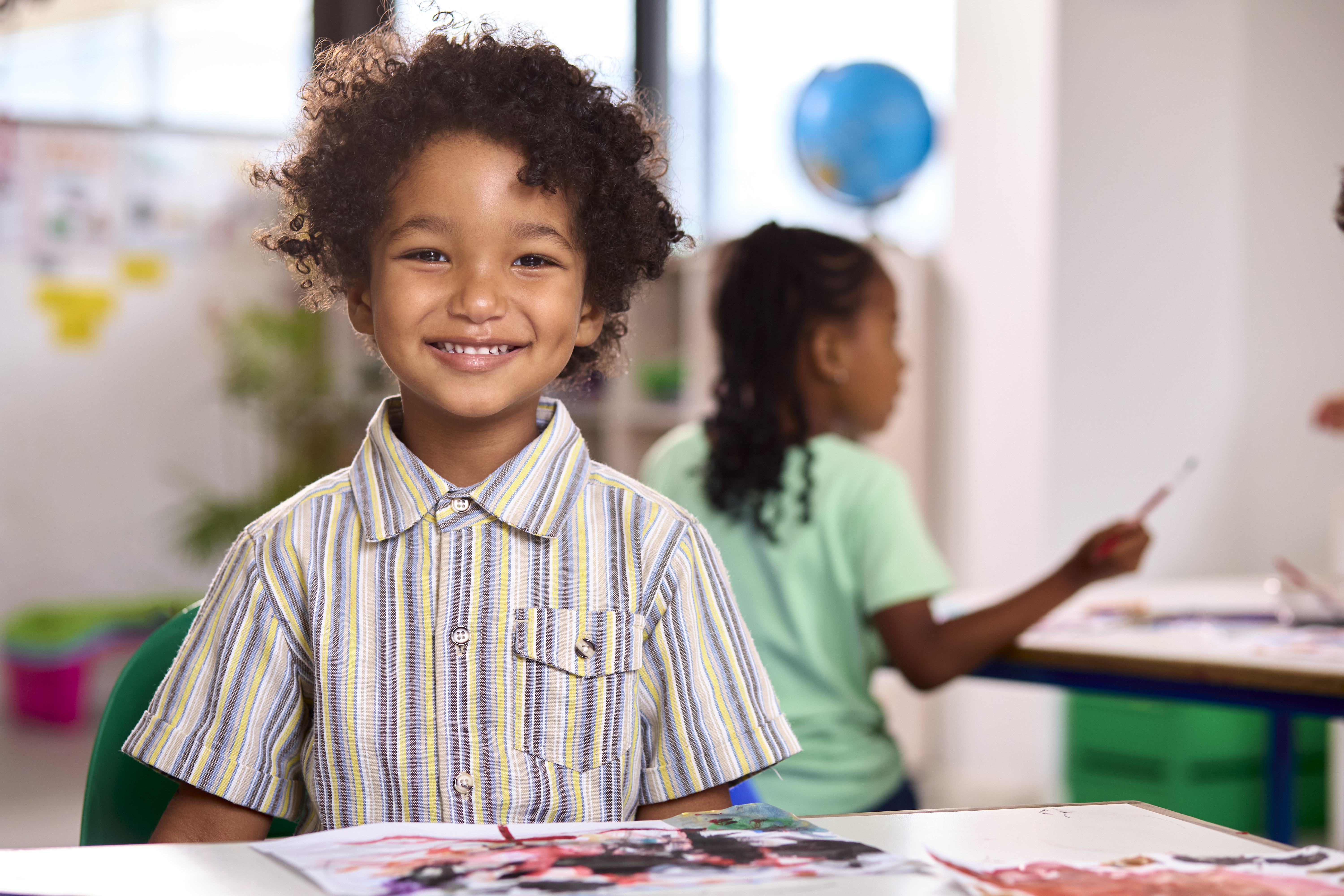
Helping your child prepare for school doesn’t require formal lessons. Simple daily activities build the exact skills they’ll need for a smooth transition to the classroom environment.
Practising Independence at Home
The best way to build school readiness? Step back and let your child try things on their own.
Give your child regular chances to dress themselves, pack their bag, and prepare simple snacks. Yes, it takes longer. Yes, it might be messy. But these real-life practice sessions build exactly what they need for school success.
Create a morning routine chart with pictures showing each step: get dressed, eat breakfast, brush teeth, pack bag. This visual guide helps children manage multiple tasks without constant reminders – just like they’ll need to do at school.
The magic happens in the struggle. When your child works out how to zip their jacket or open a tricky container, they gain both skills and confidence. That proud “I did it myself!” moment builds a child who’s ready to tackle school challenges.
Building Emotional Resilience
School brings daily ups and downs – from playground conflicts to learning challenges. Children who can handle small disappointments at home will manage school setbacks better.
Help your child name their feelings: “You look frustrated because that puzzle is hard.” This emotional vocabulary gives them words to use instead of meltdowns when things get tough at school.
Create safe opportunities for your child to work through challenges. If they’re building with blocks and the tower keeps falling, resist fixing it for them. Instead, ask “What could you try differently?” This problem-solving approach builds resilience they’ll use daily at school.
Board games offer perfect practice for school readiness – they teach turn-taking, following rules, and handling the disappointment of not winning every time. These small home experiences prepare children for similar classroom situations.
Fostering Curiosity and Engagement
A curious child is ready to learn. You can spark this natural love of discovery through everyday conversations and activities.
Ask open-ended questions that make your child think: “What do you think will happen if…?” or “How could we solve this problem?” These questions mirror the thinking skills they’ll need in the classroom.
Make learning part of daily life without pressure. Point out letters on signs, count steps together, or talk about shapes you see while shopping. These casual moments build school readiness without feeling like “work.”
Books create perfect learning bridges between home and school. Reading together daily builds attention span, vocabulary, and story comprehension – all vital for classroom success. Even better, regular reading time creates positive associations with learning that carry forward into school.
What To Do If They’re Not Quite Ready
Not all children develop at the same pace, and that’s perfectly normal. If your child isn’t showing most readiness signs, you have several options to consider.
Seeking Guidance From Educators
Your child’s early childhood educators see them in a different context than you do at home, making their insights especially valuable.
Ask specific questions about your child’s readiness: “How does she handle transitions?” or “Can he follow multi-step instructions in the classroom?” These targeted questions will give you more helpful information than simply asking “Is my child ready for school?”
Early childhood professionals can identify both strengths and growth areas. For example, they might share that your child shows strong social skills but needs more practice with self-help tasks. This balanced feedback helps you focus on the right skills at home.
The team at Early Childhood Australia recommends documenting your child’s progress over several months rather than making decisions based on a single observation. This longer view gives a more accurate picture of their development and readiness.
Exploring Kindergarten Programs
A quality kindergarten program can make all the difference for children who need extra time before starting school.
Look for programs that specifically focus on school readiness skills – not just academic learning but also social skills, emotional regulation, and independence. The right program creates a bridge between early childhood and formal schooling.
Visit potential programs and watch how children interact. Do they appear engaged? Are they practising independence? Can you see evidence of the skills your child needs to develop? These observations tell you more than any brochure can.
Many resources are available through your local council. The Whitsunday Regional Council website provides information about early childhood programs and support services that can help prepare your child for school success.
Trusting Your Parental Instincts
You know your child better than anyone. If something feels off about their school readiness, it’s worth paying attention to that feeling.
Consider your child’s birth date. Children born in May or June will be almost a full year younger than their January-born classmates. This age gap can make a big difference in readiness, especially for boys, who often develop certain skills a bit later.
Reflect on your child’s overall well-being. Are they generally happy, healthy, and thriving? Or do they seem stressed by expectations? Sometimes an extra year of development makes school a joy rather than a struggle.
Remember that holding a child back when needed isn’t failure – it’s giving them the gift of time. Many parents who’ve made this choice report that their child blossomed with the extra year to develop at their own pace.
The most important thing isn’t getting your child into school as early as possible, but making sure they’re ready to have a positive experience when they get there. Trust yourself to make the right choice for your unique child.
The Bottom Line on School Readiness
School readiness is about so much more than academics. Yes, it’s great if your child can recognise letters and count objects. But the children who really thrive in prep are the ones who can listen, follow instructions, manage their belongings, regulate their feelings, and separate from their parents with confidence.
If your child is ticking most of these developmental milestones, they’re probably ready for their school transition. If they’re not, you’ve got time to work on things—and you don’t have to do it alone.
We’re here Monday to Friday, 6:30am–6:30pm at our Cannonvale early learning centre. Whether you’re already part of the Arden family or just looking for guidance around kindergarten readiness and preparing for prep, give us a call on 07 5620 5787 or email airliebeach@ardenearlylearning.com.au.
This transition is huge—for you and for them. Let’s make sure they’re truly ready for their first day of school.
Recommended Resources for School Readiness
Australian Government and Queensland Education Resources:
Queensland Department of Education – Starting School
https://www.qld.gov.au/education/earlychildhood/school/starting
Official Queensland Government guide covering prep enrolment, school readiness checklists, and what to expect in the first year of school.Australian Children’s Education & Care Quality Authority (ACECQA) – Transition to School
https://www.acecqa.gov.au/
Information on quality early childhood education and successful transitions from kindergarten to school.Queensland Kindergarten Learning Guideline (QKLG)
https://qklg.qld.gov.au/
The official framework that guides kindergarten programs in Queensland, helping you understand what your child should be learning before school.
School Readiness Research and Practical Guides:
Raising Children Network – Starting School
https://raisingchildren.net.au/school-age/school-learning/starting-school
Evidence-based Australian resource covering emotional readiness, what to expect, and how to prepare your child for school.KidsMatter – Transition to School
https://www.kidsmatter.edu.au/
Mental health and wellbeing resources focused on the emotional aspects of starting school, including managing separation anxiety.The Australian Parenting Website – School Readiness
https://parentingstrategies.net/
Practical strategies for developing independence skills, emotional regulation, and social skills at home.
Early Childhood Development Resources:
Emerging Minds – Starting School
https://emergingminds.com.au/
Child development and mental health resource with specific content about supporting children through major transitions.Early Childhood Australia
https://www.earlychildhoodaustralia.org.au/
Peak body for early childhood professionals with research-based information on child development and school readiness.
Local Whitsunday Region Resources:
Whitsunday Regional Council – Family Services
https://www.whitsunday.qld.gov.au/
Local council information on family support services, playgroups, and community programs in Airlie Beach and Cannonvale.Queensland Health – Child Health
https://www.health.qld.gov.au/
Information on developmental milestones, health checks, and preparing your child physically for school.
These resources provide evidence-based information to complement what you’re learning at Arden Airlie Beach Early Learning Centre. Every child develops at their own pace, and these guides can help you support your child’s unique journey to school readiness.