Navigating Room Transitions: A Parent’s Guide to Early Learning Success in 2026
Room transitions in early learning can feel overwhelming for both you and your child. Moving from nursery to toddlers, or toddlers to preschool, isn’t just about a new space—it’s a big step in your child’s development. This guide breaks down what to expect and how to support your little one through these important changes with confidence and ease. For more information about age-appropriate childcare, visit Care For Kids.
Understanding Room Transitions
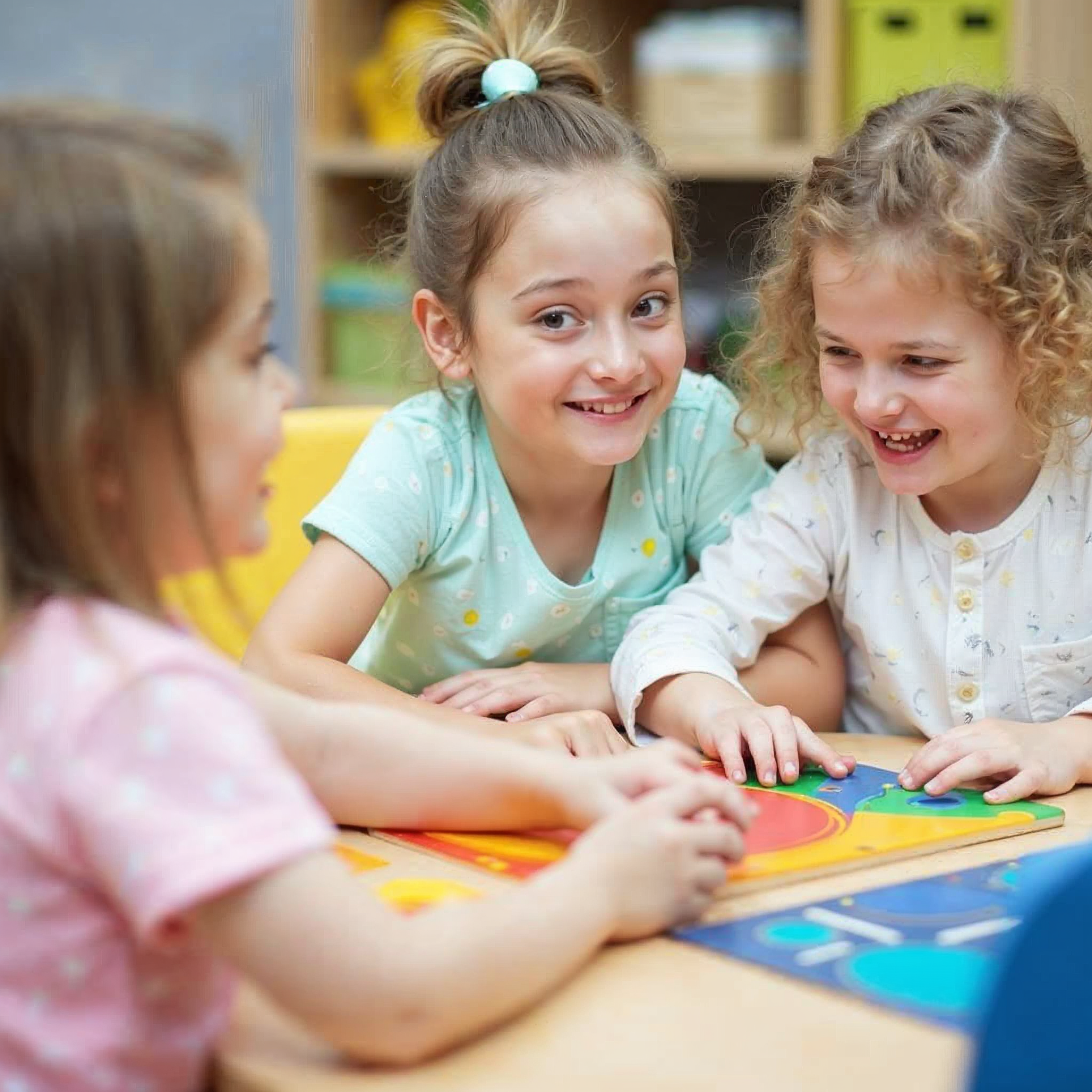
Photo by AI. When your child moves to a new room at their early learning centre, they’re embarking on an exciting journey of growth. These transitions mark important milestones in their development and create opportunities for new learning experiences.
More Than Just a New Space
Room transitions represent much more than just changing physical locations. They’re carefully planned steps that match your child’s growing abilities and changing needs.
Your child’s move from one room to another is based on their development, not just their age. Early learning educators look at physical skills, social abilities, and emotional readiness when deciding if a child is ready to transition.
Each room is specially designed with age-appropriate materials and activities. The nursery might focus on sensory play and building trust, while the toddler room offers more chances for movement and language development.
The physical setup changes, too. Spaces become more complex as children grow, with different learning zones, more challenging equipment, and materials that spark new types of thinking and play.
Room transitions also mean new relationships. Your child will connect with different teachers and make friends with new peers, building their social circle and communication skills.
The Importance of Belonging
Feeling a sense of belonging is crucial for your child during room transitions. This feeling of connection helps them adjust to their new environment with confidence.
Children thrive when they feel secure in their surroundings. Research shows that a strong sense of belonging reduces stress and anxiety during times of change. When children feel they belong, they’re more likely to explore, learn, and form relationships.
Teachers help build this feeling by creating welcoming spaces with familiar elements from the previous room. They might display family photos, include favourite toys, or maintain similar routines to help your child feel at home.
The transition process is gradual, giving your child time to develop this sense of belonging. Short visits to the new room while still based in their familiar space help them build comfort and confidence step by step.
Parents play a key role, too. Your positive attitude about the change, along with regular communication with teachers, helps your child feel that this new space is a safe place where they belong.
Supporting Your Child Through Transitions
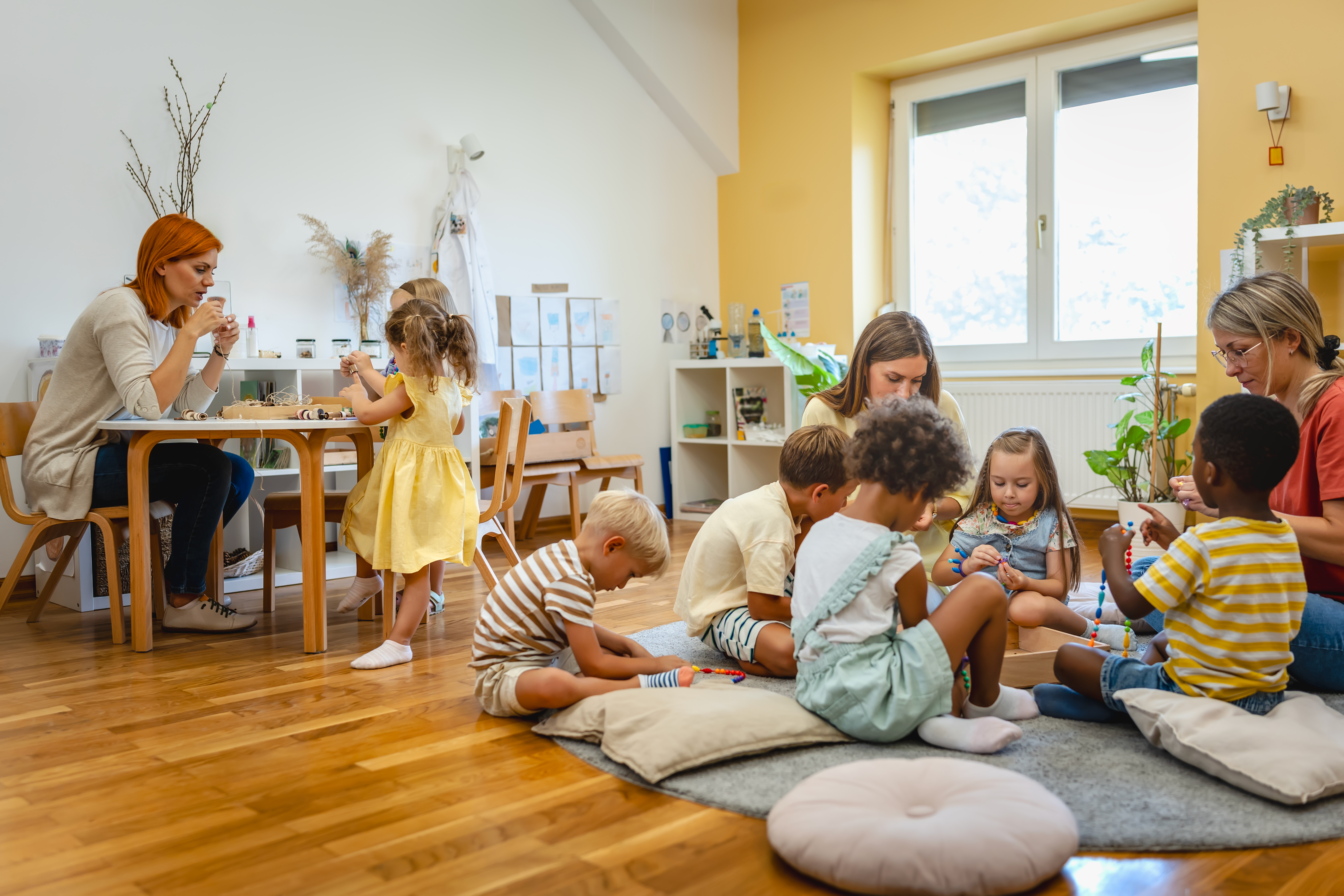
Photo by AI. Your involvement makes a huge difference in how smoothly your child handles room transitions. With thoughtful preparation and ongoing support, you can help turn this change into a positive experience.
Before the Transition Begins
Starting preparation early helps your child feel ready and excited about their upcoming move to a new room.
Talk with your child about the change in simple, positive terms. Use phrases like “You’re growing so big that soon you’ll join the butterfly room!” Keep conversations short and upbeat, focusing on exciting aspects like new toys or activities they’ll enjoy.
Visit the new room together during drop-off or pick-up times. Point out interesting features and let your child see the space while you’re still there for support. This gives them a chance to become familiar with the environment before spending time there on their own.
Meet the new teachers ahead of time. A quick “hello” and friendly chat helps your child see that these new adults are kind and trustworthy. Many centres arrange for new teachers to visit children in their current room first, building connections before the official move.
Read books about transitions or starting something new. Stories help children process upcoming changes through characters they can relate to. Ask your early learning centre for book recommendations that match your child’s situation.
Create a visual countdown or calendar marking the transition date. For older children, this provides a concrete way to understand when the change will happen and builds positive anticipation rather than worry.
During the Transition Period
The weeks during transition require extra patience and support as your child adjusts to their new environment.
Keep your morning drop-off routine steady and predictable. Children find comfort in knowing what to expect, especially during times of change. A consistent goodbye ritual—like a special hug, high-five, or phrase—gives your child security even as other things change.
Pack a comfort item if the centre allows it. A small stuffed animal, family photo, or special blanket can provide emotional support throughout the day. These items create a bridge between home and the early learning setting.
Expect some ups and downs during this period. Your child might be excited one day and hesitant the next. This is normal as they process big feelings about the change. Maintain a calm, positive attitude even if there are tears or protests.
Check in with teachers about how the transition is going. They can share insights about your child’s adjustment when you’re not there. Many children who cry at drop-off settle quickly once parents leave, so getting the full picture helps ease your worries.
Arrange playdates with children from the new room if possible. Building friendships provides another layer of comfort and belonging in the new space. Ask teachers which children your little one seems to connect with.
After the Transition
Once your child has officially moved to their new room, continued support helps them thrive in this next stage of their early learning journey.
Create space for your child to share their experiences. Ask open-ended questions like “What was something fun you did today?” or “Who did you play with?” rather than “Did you have a good day?” These questions invite conversation and show your interest in their new world.
Recognise and celebrate your child’s growth. Point out new skills they’re developing or ways they’ve shown bravery during this change. Simple acknowledgments like “I noticed you hung up your backpack all by yourself today—you’re learning so many big kid skills!” build confidence.
Connect with your child’s new teachers regularly. Building a partnership with educators helps create consistency between home and the centre. Share information about your child’s interests, sleep patterns, or recent experiences that might affect their day.
Be patient if your child seems more tired or emotional at home. Adjusting to a new environment takes energy, and children often “let down” with parents after holding it together all day. Earlier bedtimes and quiet evenings might help during this adjustment period.
Look for positive signs of adjustment, such as talking about new friends, mentioning teachers by name, or being excited to go to the centre. These are indicators that your child is building connections in their new environment.
Common Transition Challenges
Even with careful planning, room transitions can bring temporary challenges. Understanding these common issues helps you respond with patience and appropriate support.
Morning Tears and Drop-Off Woes
Tearful goodbyes are one of the most common challenges during room transitions, but they typically improve with time and consistency.
Separation anxiety often peaks during transitions because children are dealing with multiple changes at once—new teachers, new routines, and new expectations. This is a normal developmental response, not a sign that something is wrong with the centre or your parenting.
Keep your goodbyes brief and positive. Lingering when your child is upset actually makes separation harder. A quick, loving goodbye with a clear statement about when you’ll return helps your child adjust: “I’ll see you after your afternoon snack. I love you!”
Avoid sneaking out when your child is distracted. While this might seem easier in the moment, it can increase anxiety because children don’t know when you might disappear. Building trust means being predictable with your departures.
Work with teachers on a drop-off strategy. They have experience helping children through transitions and can offer a distraction, comfort, or special job right after you leave. According to Milestones Early Learning, consistent handover routines help children feel secure during transitions.
Remember that tears at drop-off don’t mean your child is unhappy all day. Most children settle within 5-10 minutes after their parents leave. Ask teachers to send a quick message or photo once your child has settled if you’re concerned.
Behavioural Changes at Home
Your child might show different behaviours at home during the transition period as they process this big change in their life.
Regression in skills is common during transitions. A toilet-trained child might have accidents, or a child who has been sleeping well might start waking at night. These temporary setbacks happen because your child is using so much energy to adapt to their new environment.
Some children become more clingy or dependent at home. They might follow you around, ask for help with tasks they could do before, or resist separations even for short periods. This is their way of seeking reassurance that you’re still there for them.
Others might act out with increased tantrums or defiance. This behaviour often stems from not having the words to express big feelings about the changes they’re experiencing. Offering simple language for emotions helps: “You seem frustrated today. Is it hard being in the new room?”
Sleep disruptions are especially common during transitions. Your child’s brain is processing many new experiences, which can affect sleep patterns. Maintaining consistent bedtime routines and perhaps moving bedtime earlier temporarily can help manage this challenge.
According to Australian early childhood experts, most behavioural changes during transitions resolve within 2-4 weeks as children adapt to their new normal. If difficulties persist beyond a month, or if your child seems genuinely distressed rather than just adjusting, speak with both their teachers and your family doctor.
Remember that transitions, while sometimes challenging, build important life skills. Each successful transition helps your child develop resilience, adaptability, and confidence in their ability to handle change—skills they’ll use throughout their education journey and beyond.
The Australian Children’s Education and Care Quality Authority sets standards for educator-to-child ratios, ensuring your child receives appropriate attention during these important transitions. These regulated ratios mean your child will have the support they need as they grow and develop in their early learning environment.
With patience, preparation, and partnership between home and the early learning centre, your child will soon be thriving in their new room, ready for the exciting learning experiences ahead.