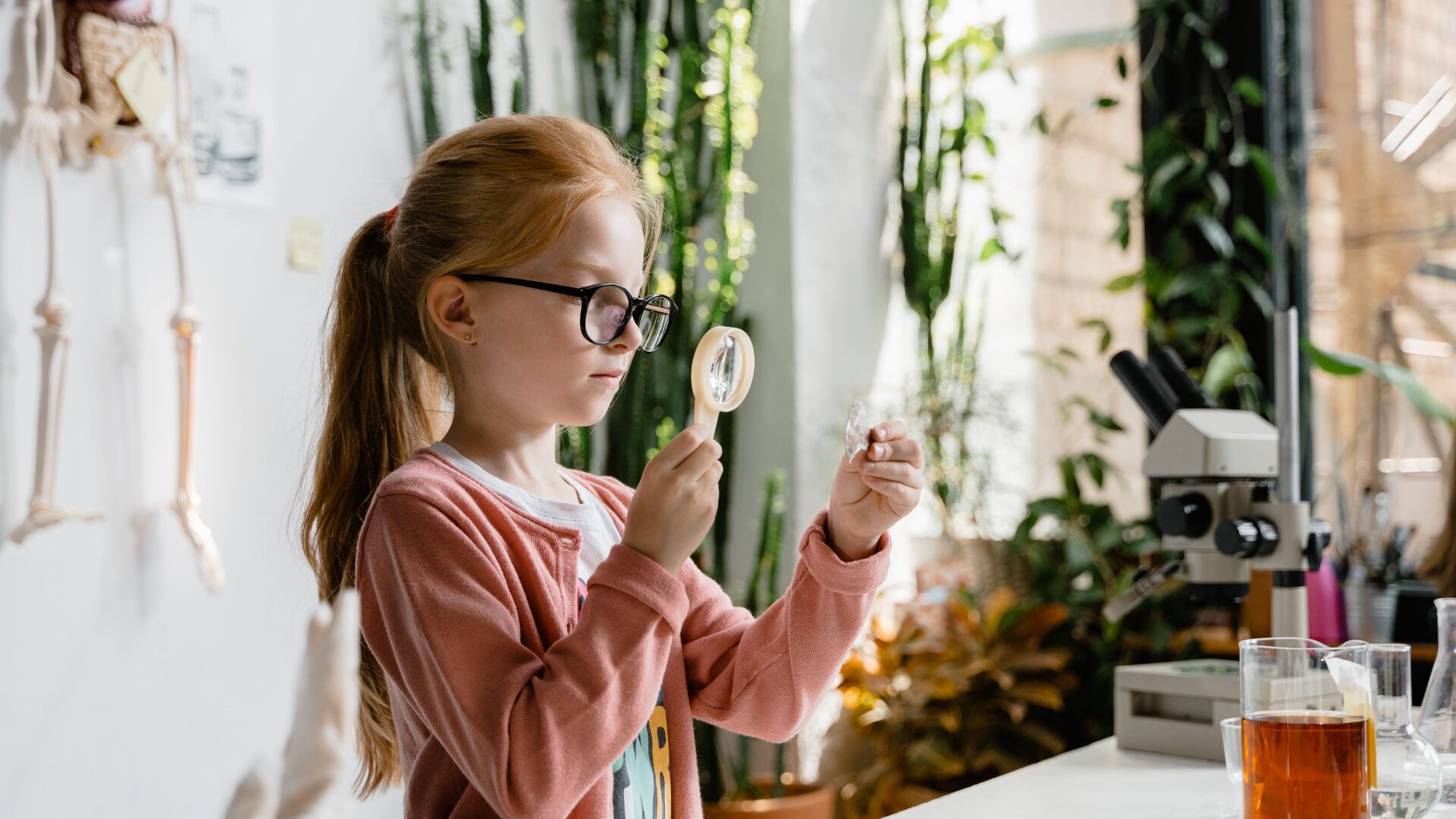
The cooler months bring a wonderful change of pace — and at Arden Early Learning in Airlie Beach, we love using the winter season as the perfect backdrop for hands-on science exploration. When the weather makes outdoor time a little less appealing, the indoors becomes a place of discovery, curiosity, and genuine scientific wonder.
Why Science in Early Childhood Matters
Young children are natural scientists. They observe, question, test, and draw conclusions constantly — it is simply how they make sense of the world. When we provide structured but playful science experiences, we are nurturing capacities that will serve children for life:
– Critical thinking and problem-solving
– Curiosity and a love of learning
– Vocabulary and language development (scientific terms, describing observations)
– Mathematical thinking (measuring, counting, comparing)
– Persistence and resilience when experiments don’t go as planned
– Confidence to ask “what if?” and try new ideas
At Arden Early Learning Airlie Beach, our science-rich winter program brings these skills to life in ways that are genuinely exciting for young children.
Our Favourite Winter Science Experiments for Young Children
Balloon Science: Air and Temperature
Blow up a balloon, then place it near a cold air-conditioner for a few minutes. Watch it shrink! Move it back to room temperature and observe it grow again. This simple experiment introduces the concept that air takes up less space when it is cold — and children find it absolutely fascinating.
Ice Excavation
Freeze small objects (plastic animals, gems, coins) in a block of ice overnight. Set the block out with droppers, warm water, and small tools, and let children “excavate” to discover what’s hidden inside. This is an irresistible sensory science experience that develops fine motor skills, patience, and investigative thinking.
Cloud in a Jar
Fill a jar with very warm water and place a bag of ice on top of the lid. Children watch as condensation forms and a small “cloud” appears inside the jar. A simple but spectacular introduction to the water cycle and weather concepts.
Frozen Colour Mixing
Fill ice cube trays with water tinted with different food colours. Once frozen, children use the coloured ice cubes to paint on paper as they melt — discovering colour mixing in a slow, satisfying, sensory way.
Melting Ice Race
Set out several pieces of ice on different surfaces — a plate, a towel, a dark tray, a light tray — and have children predict and observe which melts first. This introduces the concept of heat absorption and creates lively discussion and debate.
Static Electricity Experiments
On cool, dry winter days, static electricity becomes especially fun! Rub a balloon on hair and see it stick to the wall. Use a charged balloon to bend a thin stream of water from a tap. These simple tricks open up big conversations about invisible forces.
Bringing Families Into Our Science Journey
We love sharing our science adventures with families through our documentation walls and digital updates. We encourage families to:
– Ask children to explain what they discovered (“tell me what happened when…”)
– Try simple experiments at home using everyday materials
– Visit the library together and borrow science books for young children
– Look up kid-friendly science videos together online
Science doesn’t require a laboratory — it just requires curiosity. And that, our children have in abundance.
Keywords: winter science experiments children, indoor learning activities preschool, early learning Airlie Beach, science for young children, STEM early childhood, hands-on learning preschool, early childhood education Queensland, Arden Early Learning Airlie Beach, science activities toddlers, indoor play ideas winter
Sources and Further Reading:
– Raising Children Network – www.raisingchildren.net.au
– Australian Children’s Education & Care Quality Authority (ACECQA) – www.acecqa.gov.au
– Early Childhood Australia – www.earlychildhoodaustralia.org.au
– CSIRO Education – www.csiro.au/education
– Kidspot Australia – www.kidspot.com.au
– The Early Years Learning Framework (EYLF) – www.acecqa.gov.au/eylf